Magnesium: Why the Form on the Label Matters
Nearly half of people don’t get enough magnesium from food, and the most common supplement form is barely absorbed. Here’s how to choose well.
 By Ignatius Anane-Ansah, pharmacist
Magnesium takes part in more than 300 enzyme reactions in your body, from turning food into energy to relaxing muscles and keeping your heartbeat and blood sugar steady.
Yet it’s one of the nutrients people most often run short of, and one of the easiest to buy in a form that does very little. Here’s what I tell my patients.
Many of us don’t get enough
Processed foods are low in magnesium. In the United States, where diets are much like Canada’s, national nutrition surveys found that almost half of people get less magnesium from food than they need. The best food sources are leafy greens, nuts, seeds, beans and whole grains.
Common medications can lower it
Acid reducers called proton pump inhibitors (PPIs), such as omeprazole and pantoprazole, can reduce how much magnesium you absorb, usually after months or years of use. Some diuretics (water pills) increase how much you lose. Low magnesium can show up as muscle cramps, twitching, tiredness or an irregular heartbeat.
If you’ve taken a PPI for more than a few months, ask your doctor whether your magnesium should be checked, and message me before adding a supplement.
Not all magnesium is equal
Magnesium oxide is the cheapest and most common form on drugstore shelves, but in one study only about 4% of it was absorbed, while other forms were absorbed two to three times better. Magnesium bisglycinate (also called glycinate) is magnesium bound to the amino acid glycine. It’s gentle on the stomach and generally absorbed better than oxide, without the laxative effect oxide is known for.
Read the label for the form, not just the milligrams. Bisglycinate or glycinate is what I usually recommend.
Magnesium and sleep
Magnesium helps calm the nervous system, and many people find it helps them unwind in the evening. The research is still limited: a 2021 review of trials in older adults found magnesium may help people fall asleep a little faster, but the studies were small. I see it as a gentle, low-risk first step, not a sleeping pill.
How to take it
Health Canada’s upper limit for magnesium from supplements is 350 mg a day for adults (magnesium from food doesn’t count toward it). Going over that mostly causes loose stools. Many people take magnesium with dinner or in the evening. My Essential Seven includes one capsule of magnesium bisglycinate a day.
Take magnesium a few hours apart from thyroid medication (levothyroxine), some antibiotics (tetracyclines and quinolones) and osteoporosis medications (bisphosphonates), because it can block their absorption. If you have kidney disease, check with me first.
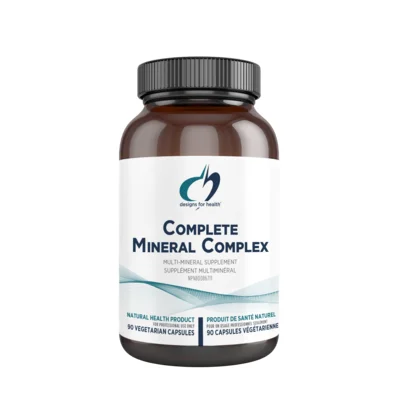
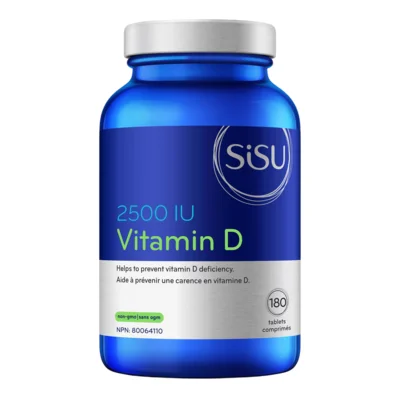
Products in this article


Not sure which magnesium suits you? Start with my picks below, or tell me what you take and I’ll point you to the right one.
Sources
- Rosanoff, Weaver & Rude (2012). Suboptimal magnesium status in the United States: are the health consequences underestimated? Nutr Rev.
- Hypomagnesaemia associated with long-term use of proton pump inhibitors (2015). Gastroenterology Report.
- Firoz & Graber (2001). Bioavailability of US commercial magnesium preparations. Magnes Res.
- Mah & Pitre (2021). Oral magnesium supplementation for insomnia in older adults: a systematic review and meta-analysis. BMC Complement Med Ther.
- Health Canada. Dietary Reference Intakes tables.